Common Lawn Problems Homeowners Face in Late Summer: Lawn Care Granbury TX
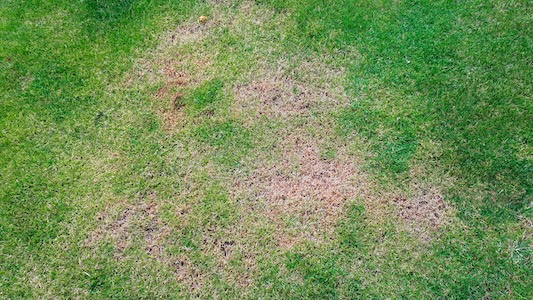
Late summer in Granbury, TX is tough on grass. Long, sunny afternoons, warm nights, and spotty rainfall push turf to its limits. If you are seeing brown spots in lawn areas, thinning grass near the curb, or irregular patches across the yard, it is a sign your turf needs expert attention. A consistent plan from a trusted team like Integrity Lawns ties together diagnostics, weed control & lawn fertilizing, and routine checks so problems are handled before they spread.
Drought Stress: Why Healthy Lawns Still Turn Brown
North Central Texas heat drains moisture fast, especially on south-facing slopes and along sidewalks where reflected heat is highest. Stressed grass wilts, shows footprints that linger, and turns straw colored in tight, angular patterns.
Professional crews read these patterns and respond with a maintenance plan that supports recovery without shocking warm-season turf. Drought stress that lingers often opens the door to weeds and disease, so early detection during recurring service visits is key.
Brown Patches Versus Lawn Disease In Texas
“Brown patch” is a common phrase, but not every brown circle means the same thing. In late summer, you might see turf fade in rings, streaks, or irregular splotches after warm, humid nights. Some are moisture or thatch related. Others point to lawn disease Texas homeowners face each year.
With a structured program, your crew documents changes between visits and applies targeted treatments only where needed. That approach pairs well with seasonally timed fertilizing that strengthens roots and keeps color even across the yard.
Compacted Soil: The Hidden Late-Summer Culprit
Clay-heavy soils around Hood County can tighten up as the ground dries. When that happens, roots struggle, water runs off, and grass thins even when the sprinklers run on schedule. High-traffic strips by driveways or mailboxes tell the story first.
During routine lawn maintenance services, technicians look for telltale signs like shallow rooting, puddling after brief showers, and spongy thatch layers. Compaction that goes unchecked invites weeds to fill the gaps, which makes recovery slower once cooler weather arrives.
Insect Damage That Spikes In Late Summer
Heat-loving insects can flare up quickly when turf is stressed. Damage often shows up as scattered, expanding patches that do not green up after irrigation. You may also notice edges near concrete or sunny fence lines fading first.
A trained eye can separate insect patterns from drought or disease and recommend the right service sequence. Precision treatments protect beneficial turf life and avoid over-applying products that the lawn does not need.
Thinning Grass After Weeks Of Heat
Even healthy Bermuda or Zoysia can thin in August when shade shifts or soil compaction builds. Thinning shows up as a see-through canopy, exposed soil between blades, and more weeds sneaking in around the edges.
When technicians catch thinning early, they can adjust the care plan to help turf fill back in. If sections are too far gone, adding fresh turf may be faster than nursing weak areas along. For a clean reset in select spots, your team may suggest sod installation so fall color looks even across the yard.
How Routine Maintenance Stops Small Issues From Spreading
The difference between a lawn that slides downhill in August and one that stays on track is steady, eyes-on-the-yard service. Regular visits let a pro spot subtle shifts in color, density, or blade texture that point to stress long before the entire yard fades.
- Pattern tracking across sunny hardscapes helps separate heat stress from disease.
- Soil and thatch checks show when roots are starved for air or when water is running off.
- Edge-to-center scouting catches insect flare-ups where they start, not after they spread.
- Seasonally tuned fertilizing supports recovery without pushing weak turf too hard.
When these checks are built into a service rhythm, problems stay small and recovery is faster. That means fewer surprises when school starts and more time enjoying your yard on cooler September evenings.
What Late-Summer Problems Look Like In Granbury
Every property tells a slightly different story, but these late-summer red flags pop up across Granbury, Acton, and Canyon Creek:
- Footprints or mower lines that stay visible hours later
- Brown spots in lawn areas that follow concrete edges or sunny fence lines
- Patchy circles that expand even after rainfall
- Soft, spongy thatch or water that beads and runs instead of soaking in
- Thin turf you can see through when the sun is behind it
If you are nodding at two or more of these, it is time for a pro to evaluate the lawn and steady the plan before fall.
Why Professional Weed Control And Fertilizing Matter Now
Late summer is when weeds take advantage of any weakness. A thoughtful program protects color and density while keeping invasive plants from stealing nutrients. Pairing professional treatments with consistent mowing and clean bed edges helps the yard hold together through hot spells.
For a deeper seasonal handoff into fall, skim our fall lawn care checklist for granbury homeowners. It shows how a strong late-summer plan sets you up for better color when nights finally cool.
Granbury Homeowners Want Fewer Surprises
Most folks around here do not want to think about turf chemistry or bug ID. They want grass that looks great and holds up to weekend traffic. That is where consistency pays off. Small, timely adjustments beat big fall rescues every time because the lawn never gets far from target.
Keeping a simple line of communication with your crew helps, too. Notes about a new trampoline spot, fresh landscape rock, or a flagstone path tell your technician where heat and traffic will change the lawn’s behavior.
How Integrity Lawns Helps Your Lawn Finish Summer Strong
Integrity Lawns builds a local plan that fits Granbury’s weather patterns and soil. Our team documents what we see, treats only what needs attention, and times fertilizing so turf stays resilient through hot weeks and into cooler nights. When bare areas will not bounce back, we can reset sections cleanly and keep your yard camera-ready for fall gatherings.
If you are ready for steady results without the guesswork, start with dedicated professional weed control and fertilizing supported by routine care. You will see fewer weeds, stronger color, and thicker turf as temperatures ease.
Next Steps For Late Summer In Granbury, TX
Want a quick, reliable path to healthier grass? Choose a service rhythm that keeps a pro on your lawn through the hot stretch and into September. That rhythm helps your yard resist stress, recover faster, and look great when fall finally feels like fall.
To learn more about our local approach and full-service support, start at lawn care Granbury TX. Then line up the plan that matches your property and your calendar.
Ready to protect your yard before small spots spread? Call Integrity Lawns at 817-559-2803 and we will map a late-summer plan that fits your turf, your microclimate, and your goals.
When you want a lawn that powers through the heat and looks even heading into fall, our team is here to help.
Let’s keep your lawn on track. Tap our proven late-summer program with targeted treatments and consistent monitoring so your grass stays green and ready for football season.
For dependable results and a clear plan, contact Integrity Lawns today and get started with expert service in Granbury.
Transform Your Lawn with a Single Click! Contact Our Local Lawn Care Experts In Hood County