How Often Should You Trim Shrubs in North Texas? A Guide for Acton Homeowners
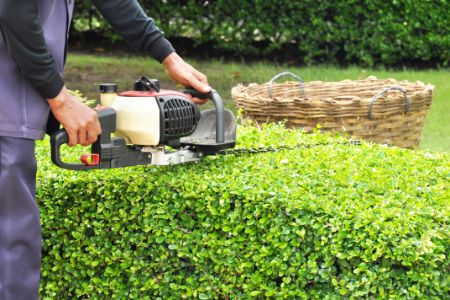
Homeowners in Acton and greater Granbury often ask how often to trim shrubs in North Texas. The short answer is that timing depends on our heat, sudden cold snaps, and what types of shrubs you have. If your beds need shape, health, and curb appeal, the simplest way to stay on schedule is to book recurring shrub trimming with Integrity Lawns. This guide explains what “often enough” looks like for North Texas landscapes without getting into how-to steps, so you can decide when a professional visit makes the most sense.
Why Timing Matters In North Texas
Our region swings from mild winters to long, hot summers. That stress can push shrubs to grow fast in spring, stall in late July, then surge again after the first cool front. Trimming at the right time keeps plants healthy, prevents sunscald on fresh cuts, and protects next season’s flowers. It also stops hedges from creeping over windows and walkways, which protects siding and improves sightlines.
Think of your landscape like a rhythm. The beat sets in late winter, crescendos in spring, and eases off when the heat settles in. A smart schedule respects that rhythm so your yard looks tidy all year without shocking the plants.
A Simple Shrub Trimming Calendar For Acton And Granbury
Every property is different, but most North Texas landscapes benefit from this general cadence:
- Late January to February: Structural shaping for most non-flowering shrubs while plants are semi-dormant.
- March to early April: Light touch-ups as growth kicks in, keeping hedges neat before spring flush.
- Late May to June: Post-bloom shaping for spring-flowering shrubs so you don’t remove next year’s buds.
- Mid-July to August: Conservative cleanups only; protect shrubs from heat stress by avoiding heavy cuts.
- September to October: Fall tune-up to set a clean outline before holiday decor and leaf drop.
- November to early December: Minimal work unless removing hazards or correcting storm damage.
Avoid heavy cuts right before a hard freeze. North Texas can see quick cold snaps, and fresh cuts are more vulnerable. When in doubt, let our team assess the forecast and plant condition during a scheduled visit.
How Plant Type Changes The Schedule
Boxwoods and Other Formal Hedges
Boxwoods, dwarf yaupon holly, and other formal hedges often need shaping 2 to 4 times during the growing season to hold a crisp line. Frequent light trims maintain density and keep the hedge below windows and eaves. Skipping sessions usually means a larger corrective trim later, which can open gaps and look uneven while new growth fills in.
Evergreen Hollies
Most hollies in Granbury and Acton respond well to a structural trim in late winter and one or two lighter shape-ups in spring and early fall. This timing preserves berries and reduces sun exposure on interior leaves. If a holly has outgrown its spot, a staged reduction over multiple visits is gentler than one big cut.
Flowering Shrubs
Azalea, loropetalum, spirea, and many spring bloomers set buds soon after they flower. Trim after spring bloom so you don’t remove next year’s color. Summer and fall bloomers can be shaped earlier in the season, then lightly cleaned up as needed to keep walkways clear.
Crape Myrtle and Rose Shrubs
In late winter, your crew may remove crossing limbs and seed heads from crape myrtle to refine structure, but never top crape myrtles. Landscape roses benefit from a winter shaping and a quick post-bloom cleanup to remove spent clusters and keep a tidy, compact look through summer.
Local Microclimates Around Acton
Not every yard in Hood County grows at the same pace. DeCordova and Harbor Lakes lots near the water can have slightly warmer pockets that push earlier growth. Pecan Plantation’s larger lots often mean more wind exposure, which can dry shrubs faster between rains. Shaded sections in Rancho Brazos might need fewer trims than sunny south-facing beds in downtown Granbury. A customized plan accounts for these details so your hedges stay even across the whole property.
Seasonal Bush Care Without Guesswork
Here’s a straightforward way many homeowners handle “how often” without tracking plant-by-plant dates: set recurring visits tied to our seasons, then let a licensed crew adjust per shrub type on site. With Integrity Lawns, you get consistent shape, better plant health, and beds that match the tidy feel of your home. If you want a quick look at options, see our professional shrub care and ask about a seasonal route.
How To Know It’s Time For A Trim
You don’t have to measure every branch. If you notice any of these, it’s probably time to get on the calendar:
- Hedges creeping over sidewalks, windows, or address numbers
- Uneven growth that makes one side look lopsided or shaggy
- Shrubs shading out flowers beneath or rubbing against siding
- Plants that bloomed but now look leggy and tired
- Storm or drought damage that left dead tips or split branches
When these signs show up, a timely visit protects structure and keeps the whole bed looking cohesive. That’s especially important for corner lots and homes with long front elevations along Acton Highway or Fall Creek Highway where curb appeal stands out.
Heat, Drought, And Watering Rules
Our summers can be dry, and most neighborhoods follow seasonal watering schedules. That means plants may slow down in July and August. During that window, your crew focuses on conservative shaping to protect leaves that shade interior wood. Summer touch-ups are light only so shrubs stay healthy through the heat and bounce back strong when early fall brings cooler nights.
Acton, TX Home Styles And Hedge Goals
Different homes call for different looks. Ranch-style homes near Acton Middle School often suit rounded, softer shrubs that frame porches. Newer builds around Oak Trail Shores lean crisp and geometric, which pairs well with straight hedges and squared corners. If you manage a short-term rental near Lake Granbury, frequent light trims can help beds look guest-ready between turnovers.
“Shrub Trimming Acton, TX” And Surrounding Areas
If you live in Acton, TX, you are in a prime spot for year-round growth. That is great for lush privacy and color, but it also means shrubs can outpace walkways and windows quickly. Integrity Lawns services Acton, Granbury, and nearby communities on efficient routes, so your property stays on schedule without constant rescheduling.
What A Professional Maintenance Plan Looks Like
Most plans include a late-winter structural visit, a spring shape-up, a fall tune-up, and one or two optional light visits in between. Each stop is tailored to your plant mix, sun exposure, and how formal you want the beds to look. Crews maintain safe sightlines at driveways, keep shrubs below sills for natural light, and ensure plants do not trap moisture against siding or fencing.
You also get an extra set of eyes. Technicians notice early stress, fungus on shaded sides, or branches that could scratch vehicles along narrow drives. Small fixes now prevent bigger problems later, especially with evergreen hollies and boxwoods that can mask interior dieback until it is advanced.
Choosing The Right Cadence For Your Property
Here is a simple way to think about cadence:
- Formal look with crisp lines: plan 3 to 5 trims per year, usually lighter but frequent.
- Natural look with soft edges: plan 2 to 3 trims per year, timed around bloom and fall.
Corner lots, HOA entries, and homes with long hedgerows often benefit from one extra light service to keep street-facing stretches even. Properties with mature trees that filter sun may get by with fewer trims, since growth is slower under a canopy.
Common Myths We Hear
“All shrubs should be cut back hard every winter.” Not true. Some shrubs respond well to reduction, while others lose next year’s flowers or take too long to recover. “Spring is always the best time to trim.” It depends. Spring bloomers need a post-flower window, while non-flowering hedges love late-winter shaping and occasional summer touch-ups. “Crape myrtles must be topped to bloom.” They do not. Clean structure is enough; topping weakens form and invites issues.
Local Examples That Make Scheduling Easy
A homeowner off Temple Hall Highway with a mix of boxwood and dwarf yaupon uses seasonal visits to hold a crisp foundation line. Another in DeCordova with flowering shrubs prefers a post-bloom appointment in late May, a light mid-summer cleanup, and a fall tune-up. A Pecan Plantation property with longer frontage spaces visits between mow cycles so hedges and turf stay in sync. Each plan respects plant type and microclimate, so beds look consistent across the season.
What You Get With Integrity Lawns
Expect clear communication, on-time crews, and clean edges across every bed. We match trimming height to architecture, coordinate with your mowing day when possible, and collect clippings so your landscape looks finished when we leave. If you ever need extra attention before a gathering, we can align a light cleanup within your regular route. For ongoing needs, explore our shrub trimming service and we will recommend a cadence that fits your yard.
Ready To Love Your Landscape All Year?
If your hedges are blocking windows or your flowering shrubs look tired after bloom, a steady schedule brings the whole yard back in balance. Call Integrity Lawns at 817-559-2803 and ask for a seasonal plan for shrub trimming in Acton and Granbury. For a tidy, professional finish without the guesswork, schedule your next visit through our shrub trimming page and we will handle the rest so your landscape stays camera-ready.
Transform Your Lawn with a Single Click! Contact Our Local Lawn Care Experts In Hood County