Top Common Lawn Problems in Granbury and How to Fix Them
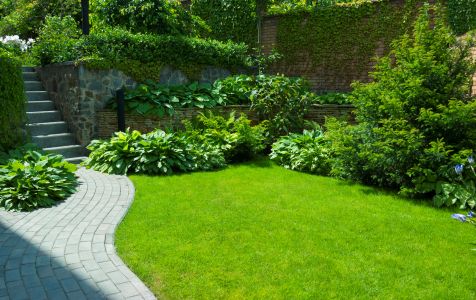
If you’re wrestling with lawn problems in Granbury, TX, you’re not alone. Hot summers, a few cold snaps, and alkaline soils create the perfect storm for weeds, brown patches, pests, and thin turf. The fastest way back to thick, green grass is a targeted plan that blends selective weed control with soil-smart nutrition. That’s exactly what our weed control & lawn fertilizing service delivers for Granbury homeowners.
Why Lawn Problems Happen in Granbury, TX
Granbury sits in North Central Texas, where warm-season grasses like Bermuda, St. Augustine, and Zoysia thrive most of the year. Still, summer heat, spring storms, and occasional winter freezes stress turf. Alkaline, clay-heavy soils around neighborhoods like Pecan Plantation, DeCordova, and Acton can lock up nutrients and hold water at the surface, which encourages disease and shallow roots.
When grass is stressed, weeds and insects move in. A professional program looks at the whole picture: grass type, shade, soil compaction, moisture patterns, and timing. **Timing beats intensity** in lawn care. Well-timed treatments solve more than heavy-handed ones.
Brown Patches vs. Drought Stress: What a Pro Looks For
Brown patches can come from fungus, insects, heat, or watering patterns. In St. Augustine, circular patches with a smoky edge may be disease, while dry, irregular spots that appear first in full sun might be drought or chinch bugs.
- Brown rings or soft, rotted roots may signal disease pressure.
- Sunny areas that wilt fast and feel spongy can point to insect feeding.
- Footprint tracking that stays visible can indicate soil compaction and shallow roots.
A trained tech confirms the cause, then adjusts the plan. That may include targeted fungicide when disease is active, plus balanced nutrition to help turf recover. **Many brown spots are insect damage, not fungus**, so correct diagnosis matters before any treatment begins.
Weeds That Thrive Around Lake Granbury
Our climate invites both cool-season and warm-season weeds. You might see henbit and annual bluegrass in late winter and spring, then crabgrass, dallisgrass, and spurge as temperatures climb. Weeds love thin turf and open soil.
The professional approach stacks defenses. First, well-timed pre-emergents are applied ahead of seasonal germination windows, followed by selective post-emergents for what breaks through. Fertilizing is tuned so grass fills in gaps and shades the soil. **Pre-emergent control only works before weeds sprout**, so calendars and local weather patterns guide the schedule. For week-to-week appearance, pairing treatments with consistent lawn mowing helps maintain a dense canopy that keeps new weeds from taking hold.
Pest Damage in Warm-Season Lawns
Chinch bugs, armyworms, and white grubs are the usual suspects in Granbury. Chinch bugs often strike St. Augustine during hot, dry spells, creating patchy, straw-colored areas that spread from sidewalks and driveways. Armyworms can chew Zoysia and Bermuda in late summer to early fall, sometimes overnight. Grubs feed on roots underground, leaving turf that lifts like a loose carpet.
Pros use scouting and thresholds to decide when to act, so treatments land when pests are vulnerable. Integrated programs combine curative applications with soil-building nutrition. The goal is to solve the problem today and reduce pressure next season.
Soil Compaction and Thin Turf on Clay-Limestone Soils
Clay particles pack tightly, squeezing out air and slowing drainage. When roots can’t breathe, grass thins and weeds find space. **Compacted soil starves roots of air and water**, which limits growth even if you feed the lawn.
Core aeration opens the soil so roots can push deeper. After aeration, professional fertilizing and weed control work better because air, water, and nutrients reach the root zone. Over time, lawns hold color longer in summer and bounce back faster after foot traffic or storms.
Seasonal Fertilizing for North Texas Lawns
Warm-season grasses are heavy feeders when actively growing. In our alkaline soils, iron and micronutrients can be tied up, showing as yellowing between the veins. A professional fertilizing plan uses the right release profile for the season and the right nutrient mix for your grass type and soil conditions. That keeps color steady without pushing weak growth that invites pests or disease.
Granular and liquid options both have a place. The plan adjusts as weather shifts, and as shade, traffic, or irrigation patterns change through the year. Your lawn gets what it needs and skips what it doesn’t.
How a Local Program Solves These Problems
Integrity Lawns builds plans around Granbury’s growing seasons, not a one-size-fits-all schedule. We look at grass variety, shade, soil, and recent history on every visit, then fine-tune the plan so results stack month after month.
- Proactive weed prevention and selective post-emergent treatments for visible breakthroughs
- Balanced fertilizing with iron and micronutrients for steady color
- Season-aware insect and disease monitoring with targeted applications when thresholds are met
- Core aeration recommendations to reduce compaction where traffic or clay soils limit roots
When your lawn needs extra attention, a focused round tightens the timeline. When it’s thriving, we protect the gains with lighter touches. That’s how you get durable, year-round curb appeal.
Spotting Trouble Early Saves Your Turf
Small signals point to bigger issues. Early detection lets us adjust the plan before problems spread across the yard.
Here are patterns we often confirm during visits around Granbury and nearby neighborhoods:
- Edges along sidewalks brown first in extreme heat, suggesting chinch bug pressure
- Shady areas hold moisture longer, which can favor disease if grass stays wet overnight
- Sparse, open soil near play areas boosts summer weeds like spurge and crabgrass
If you want a deeper overview of treatments and scheduling, skim our page on weed control & lawn fertilizing. It explains how timing and product selection change through the year in Granbury, TX.
Better Results When Services Work Together
Healthy lawns are a team effort. Precision weed control reduces competition so fertilizer feeds grass, not invaders. Consistent lawn mowing keeps the canopy even and thick, which shades the soil and cuts new weed germination. Soil-focused nutrition deepens roots so turf needs fewer interventions over time.
For an overview of our approach and to explore weed control & lawn fertilizing in Granbury, TX with Integrity Lawns, you can start on the home page and follow the path that fits your grass type.
When To Call the Pros
Call when brown areas spread week to week, when you see moths puff up from the lawn at dusk, or when weeds return right after you thought they were gone. Those are signs the problem sits below the surface and needs a coordinated plan. Our team handles the diagnosis and the legwork so you can enjoy the yard again.
Ready for thicker, cleaner turf across every season in Granbury? Reach out to Integrity Lawns at 817-559-2803 and we’ll set a convenient time to evaluate your lawn. Prefer to read first? Visit our service overview on weed control & lawn fertilizing to see how a tailored plan restores color, density, and resilience.
Your Next Step To A Better-Than-Next-Door Lawn
Great lawns don’t happen by accident in Granbury’s climate. They happen by design. We combine prevention, precision treatments, and soil-first nutrition so your turf stands up to heat, rain, and everything in between. Call 817-559-2803 to schedule with Integrity Lawns today.
Transform Your Lawn with a Single Click! Contact Our Local Lawn Care Experts In Hood County