Why Pre-Emergent Weed Control Matters for Granbury Lawns
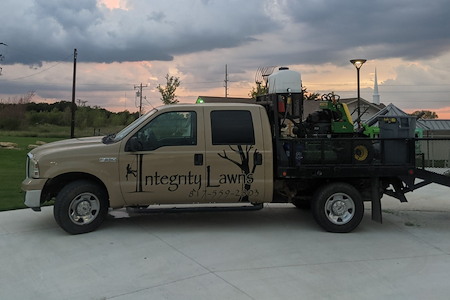
When you care about curb appeal in Granbury, timing is everything. February is the sweet spot for pre-emergent weed control in Granbury because it stops spring weeds before they sprout, keeping your turf thick and clean as temperatures rise. That’s why many homeowners trust a targeted pre-emergent weed control program that’s planned around local weather, soil temperatures, and turf types common across Hood County.
At Integrity Lawns, we help Bermuda, Zoysia, and St. Augustine lawns stay ahead of crabgrass, goosegrass, and spurge during North Texas’ quick warm-ups. Below, you’ll see why February applications matter, what happens if you miss the window, and how a professional schedule protects your lawn from spring through fall.
What Pre-Emergent Weed Control Does
Pre-emergent products create an invisible barrier in the top layer of soil that targets weed seeds at the moment of germination. They don’t remove mature plants. Instead, they prevent the next wave of weeds from ever breaking the surface. This proactive shield is especially important in North Texas, where spring annuals wake up quickly and spread fast.
The result is a lawn that holds its color and density going into spring. Your grass uses its energy for growth rather than fighting for space and nutrients with aggressive seedlings. With a proper schedule and professional application, the barrier is placed early enough to be effective and balanced to protect your desirable turf.
Why February Hits the Sweet Spot in Granbury
Weeds don’t read calendars. They respond to temperature and moisture. In our area, the first spring annuals typically begin to germinate as soils reach the mid 50s for several days in a row. February places your treatment just ahead of that threshold, so the barrier is set before the push begins.
Late winter in Granbury often brings cool mornings, mild afternoons, and quick warm-ups after fronts. That pattern accelerates soil warming near sidewalks, driveways, and south-facing slopes. Applying in February means your lawn is protected across those hotspots before crabgrass and spurge get going.
Acting before soils hold in the mid 50s for several days is the difference between prevention and playing catch-up. A timely February application is the most reliable way to keep spring weeds from stealing water, nutrients, and sunlight from your turf as it greens up.
Soil Temperature, Not the Calendar, Starts Spring Weeds
Crabgrass and other spring annuals start once soils sit around 55 degrees for a few consecutive days. Because soil warms more slowly than air, brief cold snaps after a warm spell don’t fully reset the clock. That’s why the barrier must be in place a little early rather than a little late.
Local microclimates matter too. Near Lake Granbury, open exposures warm differently than shaded cul-de-sacs in Pecan Plantation or DeCordova. Mulched beds, rock borders, and hardscape also heat faster than lawn-only areas. February timing cushions your lawn across all those variables.
What Happens If You Miss the February Window
Once spring weeds germinate, control shifts from prevention to suppression. That change costs the lawn energy and extends the time you’ll see visible weeds. It can also mean a longer path back to the uniform, clean look you want.
- Weeds compete for water and nutrients right as your grass exits dormancy.
- Post-emergent treatments may require multiple visits for the same species as new seedlings appear.
- Thin spots can open, inviting more weeds and heat stress later in summer.
Waiting until weeds appear means you’re already behind their growth cycle. February prevention avoids that spiral and supports thicker turf when spring growth takes off.
Professional Scheduling Protects Your Lawn
Pre-emergent success depends on product selection, rate, and timing calibrated to turf type and local weather. Bermuda, Zoysia, and St. Augustine have different growth habits, and not every product is right for every lawn situation. A professional plan places the barrier early, aligns with rainfall or irrigation, and staggers follow-ups to maintain coverage as the season changes.
Properties across Granbury vary a lot. New builds near Highway 377 may have compacted soils that warm fast. Established lots near the square can have heavy shade and mature trees that influence temperature and moisture. A pro program adapts to those site details so coverage is even and consistent.
Layered Prevention For Season-Long Weed Defense
Think of weed control like building a fence. February is your first and most important panel, but you still need a few more posts to keep gaps from forming as the weather shifts. Spring transitions to longer, warmer days that can thin the barrier without a planned follow-up, and summer heat stresses turf if weeds slip through.
- Early-season barrier to stop spring annuals before they sprout.
- Timed follow-up to reinforce protection as soil warms further.
- Late-season strategy to prepare for winter annuals that germinate in fall.
This layered approach keeps your lawn cleaner month after month, so you enjoy greener color and fewer interruptions from seasonal weed flushes.
Granbury Weather Patterns and Neighborhood Factors
North Central Texas can jump from chilly mornings to 70-degree afternoons in a single week. That swing speeds up seed activity around rock beds, curb lines, and sunny slopes. Close to Lake Granbury, open exposures get more reflected light and wind that help soils warm just a bit faster than tucked-away shaded yards.
Another local factor is irrigation. Sprinklers set to run during a dry spell can add moisture that helps dormant seeds germinate once the soil hits the right temperature. A February barrier stands ready before those first watering cycles in early spring, so you’re not feeding weeds by mistake.
If you enjoy reading up on seasonal maintenance, explore our running archive of lawn care tips for more context on how North Texas weather affects healthy turf.
Pre-Emergent Timing Across Common Texas Grasses
Bermuda thrives in our sun and heat, and it responds quickly to spring warmth. Zoysia loves heat, too, but often greens up a touch later, which can leave small openings for opportunistic weeds if prevention lags. St. Augustine prefers filtered light and steady moisture and can lose ground to spurge and other broadleaf weeds when the days warm fast.
A February application supports all three by putting the barrier in place before the first surge of weed seeds tries to wake up. That early protection gives each turf type the breathing room it needs to thicken naturally as daylight and temperatures climb.
How Integrity Lawns Times Your Application
We track local weather patterns, soil conditions, and neighborhood differences across Granbury to place your first barrier in February, then schedule strategic follow-ups. Our team evaluates your turf type, shade, and hardscape heat zones, then selects products and rates to help protect your lawn without slowing desirable growth.
You’ll get clear communication, reminders, and a plan that keeps your lawn looking consistent from early spring through the hottest months. As a local partner for lawn care, we’re focused on long-term turf health, not quick fixes that fade with the next weather swing.
Why February Beats Waiting For Visible Weeds
Weed seeds sit in the soil year-round. They don’t need to appear above ground to cause trouble. Once the soil environment is right, they germinate and immediately begin stealing resources your lawn needs for a strong green-up. February treatment arrives before that critical moment, shutting the gate when it matters most.
Well-timed prevention also reduces the need for heavier corrective steps later, supports thicker turf coverage, and keeps your lawn color more uniform as spring unfolds. That’s why homeowners across neighborhoods from Acton to Pecan Plantation count on a February schedule to stay ahead.
The Payoff You’ll Notice This Spring
As the days warm and you start spending more time outside, the difference is clear. Fewer weeds break through around the driveway, fewer seedlings dot the edges of mulch beds, and your grass fills in with even color. Your mowing pattern looks cleaner because your lawn isn’t outcompeted in patches by crabgrass and spurge.
That steady look in March and April starts with a smart decision in February. When prevention is in place, your lawn rewards you with a tidier, more uniform surface you can enjoy without fighting new weeds every week.
Ready For A Cleaner Lawn This Spring?
Lock in your February spot so spring weeds never get a chance to sprout. Schedule your visit with Integrity Lawns today at 817-559-2803 or book online.
Transform Your Lawn with a Single Click! Contact Our Local Lawn Care Experts In Hood County